
Marketing Mountain Podcast • Episode 001

How Claude Hopkins and Pepsodent Made America Brush Its Teeth

Teeth, tongues, and tingles. Chad Ruiz breaks down how the 1915 Pepsodent toothpaste campaign transformed America’s oral hygiene movement.

STEP 1

Listen to Episode 001

Pepsodent and Claude Hopkins didn’t just sell toothpaste. They helped sell America on a new daily habit!

EPISODE SUMMARY

The Pepsodent Story

In this episode of Marketing Mountain, I look at how Claude Hopkins and Pepsodent helped turn toothbrushing into a daily American habit. The campaign worked because it gave people a problem they could notice, a simple reason to act, and a physical cue that made the habit feel rewarding.

Below, you’ll find assets discussed in the episode.

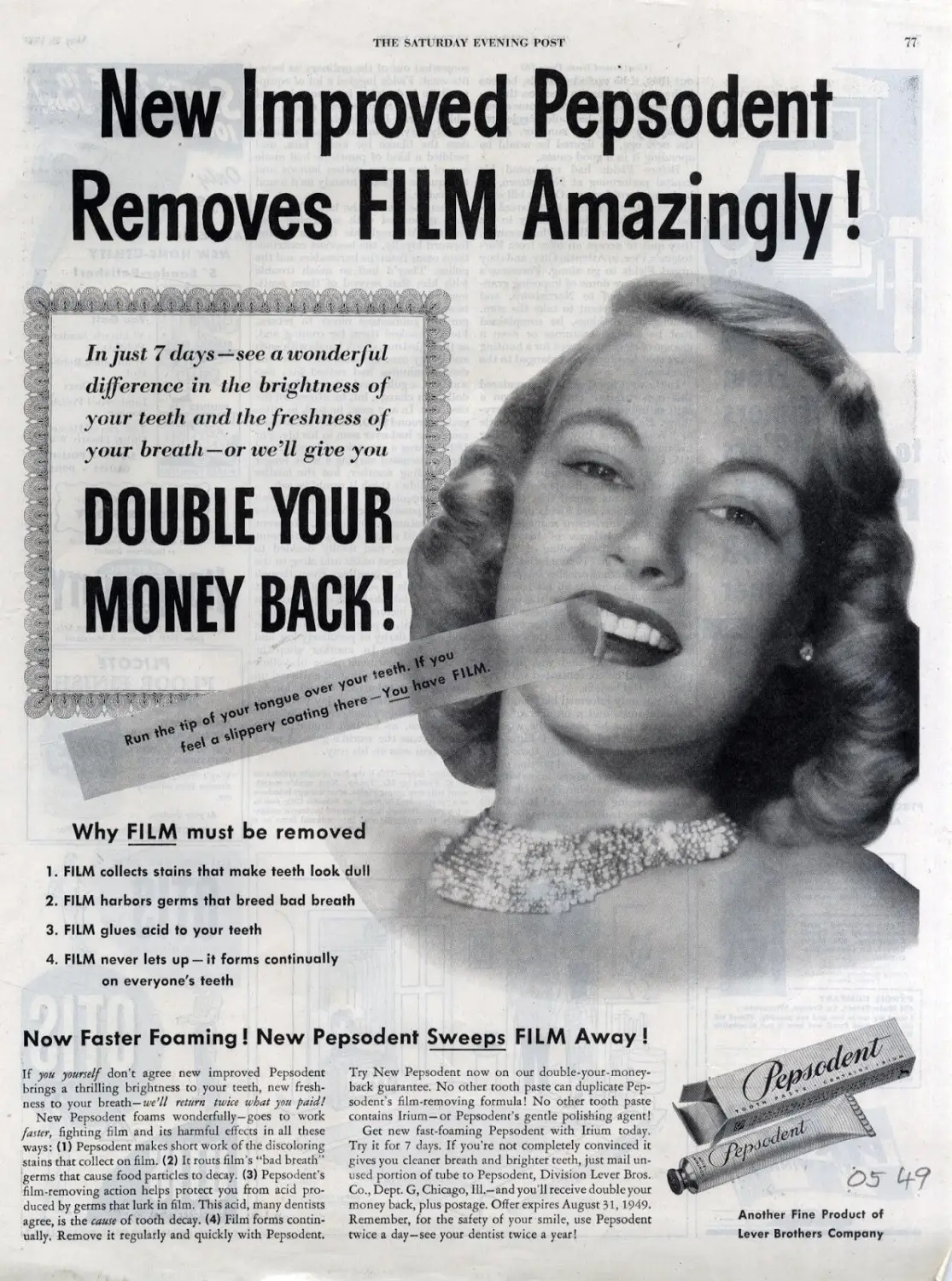
Vintage Pepsodent advertisement about removing film from teeth, referenced in Chad Ruiz’s Marketing Mountain episode on Claude Hopkins and toothbrushing habits v1

"New Improved Pepsodent Removes FILM Amazingly!" advertisement. The Saturday Evening Post, May 1949, p. 77. [Public Domain]
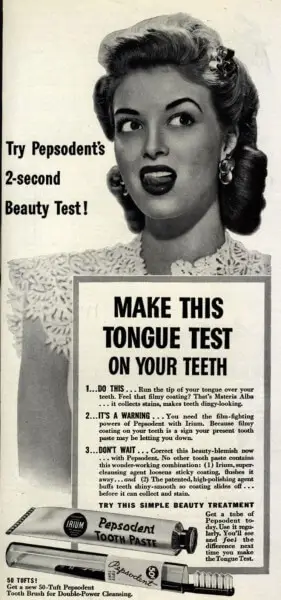
Vintage Pepsodent advertisement about removing film from teeth, referenced in Chad Ruiz’s Marketing Mountain episode on Claude Hopkins and toothbrushing habits v2

"Try Pepsodent's 2-second Beauty Test!" advertisement. Life, 1941. Duke Digital Repository [Public Domain]
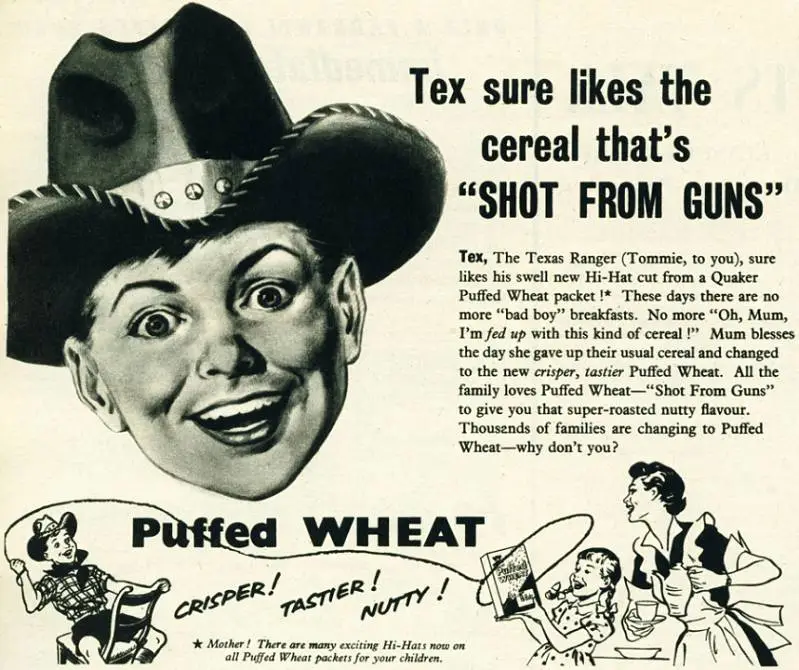
Vintage Puffed Wheat ad using the Shot From Guns campaign message discussed in Chad Ruiz’s Marketing Mountain episode on Claude Hopkins

"Tex sure likes the cereal that's 'SHOT FROM GUNS'" advertisement. Quaker Puffed Wheat, circa 1946.
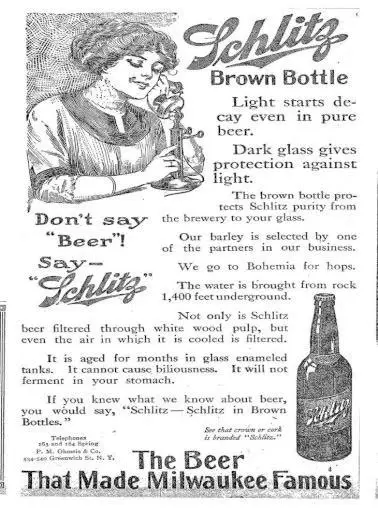
Vintage Schlitz Brown Bottle beer advertisement illustrating preemptive advertising claims discussed in Chad Ruiz’s Marketing Mountain podcast

"Don't say 'Beer'! Say—'Schlitz'" advertisement. Joseph Schlitz Brewing Company, 1911. [Public Domain]
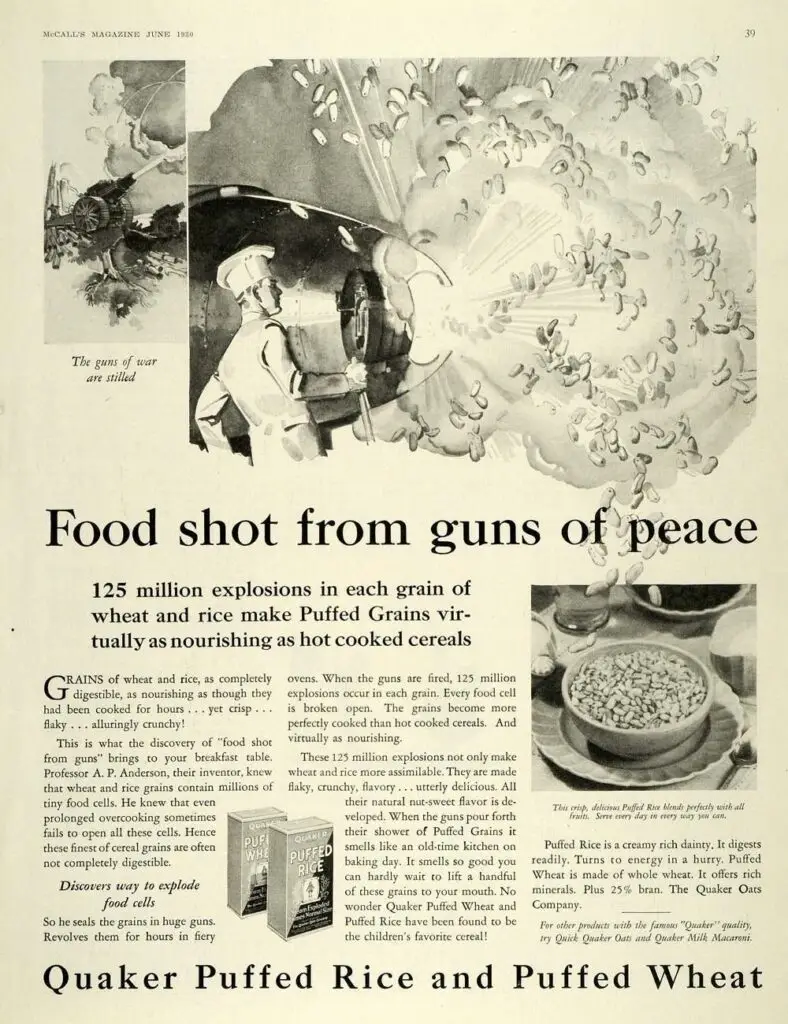
1920 Quaker Puffed Rice and Puffed Wheat ad titled Food Shot From Guns of Peace, referenced in Chad Ruiz’s Marketing Mountain episode on Claude Hopkins advertising

"Food shot from guns of peace" advertisement. McCall's Magazine, June 1920, p. 39.

These historical ads and assets are included as visual references for the Marketing Mountain episode on Claude Hopkins, Pepsodent, and early demand-creation advertising. Where possible, original publication details are included below each image. Chad Ruiz and Marketing Mountain do not claim ownership of these materials or the original copyrights. They are shared for commentary, education, and historical reference.

KEY TAKEAWAYS

What This Episode Covers

The problem Pepsodent solved

Only about 7% of the population regularly used toothpaste. Pepsodent knew that if they could educate the non-brushing public on the power of pepsin (their main ingredient), they could own the market. 

Claude Hopkins’ lesson

In his ads, Hopkins didn’t harp about the features of pepsin and its ability to digest leftover bits of food. Instead, he focused on the benefits. He addressed the dull film coating your teeth, then presented Pepsodent as the solution to achieving a beautiful, bright, attractive, clean smile.

The power of the tingle

Mint oil and citric acid in Pepsodent created a cool, tingling sensation on the gums. Consumers subconsciously began to pair that sharp, fresh tingle with actual cleanliness. The tingle created a neurological craving!

The modern takeaway

Your marketing should allow your buyers to experience its benefits before they make the purchase. Consumers need to easily understand and notice the way they would feel with your product or service.

MARKETING LESSON

Why This Still Matters for Your Marketing

Modern marketers still face the same basic challenge Hopkins faced in 1915. People don’t automatically care about a product just because it’s useful. They need to understand and digest the problem, identify with the message, and believe the solution is worth acting on.

INTERNAL LINKS

Related Marketing Notes

What is funnel marketing strategy?

Read the answer →

What is a demand generation strategist?

Read the answer →

What is AEO in marketing?

Read the answer →

Climb The Next Marketing Mountain

Marketing Mountain explores the stories, psychology, and real-world strategy behind what works in marketing.